System maintenance isn’t just a tech chore—it’s the backbone of smooth, secure, and efficient operations. Whether you’re managing a single computer or an enterprise network, regular upkeep prevents disasters and boosts productivity. Let’s dive into the essential strategies that keep systems running flawlessly.
What Is System Maintenance and Why It Matters

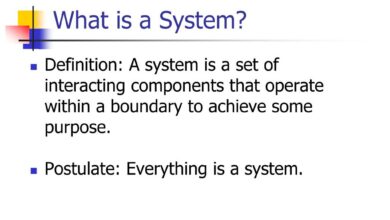
System maintenance refers to the routine tasks and procedures performed to ensure that computer systems, software, hardware, and networks operate efficiently, securely, and reliably. It’s not just about fixing problems—it’s about preventing them before they occur.

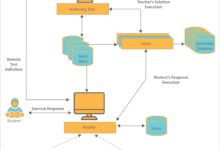
Defining System Maintenance
At its core, system maintenance involves monitoring, updating, optimizing, and repairing various components of a technological ecosystem. This includes operating systems, applications, servers, databases, and network infrastructure. The goal is to maintain peak performance and minimize downtime.
- Includes both preventive and corrective actions
- Applies to personal devices, enterprise servers, and cloud environments
- Encompasses software updates, hardware checks, and security patches
The Business Impact of Neglecting Maintenance
Ignoring system maintenance can lead to catastrophic consequences. According to a report by Gartner, unplanned downtime costs organizations an average of $5,600 per minute. For large enterprises, this can exceed $1 million per hour.
“Failing to maintain your systems is like driving a car without ever changing the oil—you might get by for a while, but eventually, the engine will seize.”
Common impacts include data loss, security breaches, reduced productivity, and damaged customer trust.
7 Essential Types of System Maintenance
Not all maintenance is the same. Different types serve unique purposes and are applied based on system needs, risk levels, and operational goals. Understanding these types helps organizations build a comprehensive maintenance strategy.
Preventive Maintenance
Preventive maintenance is scheduled work performed to prevent equipment failure before it happens. In IT, this includes regular software updates, disk cleanups, and hardware inspections.
- Reduces the likelihood of unexpected breakdowns
- Extends the lifespan of hardware and software
- Examples: monthly patch updates, antivirus scans, log reviews
This proactive approach is one of the most cost-effective forms of system maintenance, as highlighted by research from IBM.
Corrective Maintenance
Corrective maintenance occurs after a system failure. It involves diagnosing the issue, repairing or replacing components, and restoring normal operations.
- Reactive in nature but necessary when failures occur
- Can be time-consuming and costly if not managed well
- Examples: fixing a crashed server, recovering corrupted files
While unavoidable at times, over-reliance on corrective maintenance indicates poor preventive planning.
Predictive Maintenance
Predictive maintenance uses data analytics, machine learning, and monitoring tools to predict when a system component is likely to fail.
- Leverages real-time performance metrics
- Enables just-in-time repairs, reducing unnecessary servicing
- Used in advanced IT environments and industrial IoT systems
For example, predictive algorithms can detect unusual disk read patterns that suggest an impending hard drive failure.
Perfective Maintenance
Perfective maintenance focuses on improving system performance, usability, and functionality beyond basic operation.
- Includes optimizing code, enhancing user interfaces, and upgrading features
- Driven by user feedback and evolving business needs
- Helps keep software competitive and user-friendly
This type of system maintenance ensures that applications remain relevant and efficient over time.
Adaptive Maintenance
Adaptive maintenance involves modifying systems to adapt to changing environments, such as new operating systems, hardware, or regulatory requirements.
- Ensures compatibility with evolving technology stacks
- Crucial during digital transformation initiatives
- Examples: migrating legacy apps to the cloud, supporting new mobile platforms
Without adaptive maintenance, even well-functioning systems can become obsolete.
Emergency Maintenance
Emergency maintenance is unplanned and urgent, typically triggered by critical failures or security breaches.
- Requires immediate response and often involves after-hours work
- Examples: responding to ransomware attacks, restoring failed databases
- High-stress and resource-intensive
While necessary, frequent emergency maintenance signals underlying issues in preventive strategies.
Proactive Maintenance
Proactive maintenance goes beyond prevention by identifying potential weaknesses before they manifest as problems.
- Involves root cause analysis and system audits
- Uses tools like performance baselines and anomaly detection
- Focuses on long-term reliability rather than short-term fixes
It’s a strategic approach that combines elements of preventive, predictive, and perfective maintenance.
Key Components of Effective System Maintenance
Successful system maintenance isn’t just about running updates—it’s a structured process involving multiple interdependent components. Each plays a vital role in ensuring system stability and security.
Software Updates and Patch Management
Regularly updating software is one of the most critical aspects of system maintenance. Patches fix bugs, close security vulnerabilities, and improve performance.
- Operating systems (Windows, Linux, macOS) require frequent updates
- Third-party applications (browsers, office suites) also need patching
- Automated tools like WSUS or SCCM streamline enterprise patching
According to CISA, unpatched systems are the leading cause of data breaches.
Hardware Monitoring and Diagnostics
Even in a digital age, hardware remains foundational. Regular diagnostics help detect early signs of failure.
- Tools like SMART (Self-Monitoring, Analysis, and Reporting Technology) monitor hard drives
- Temperature sensors prevent overheating in servers
- Power supply and fan checks ensure stable operation
Ignoring hardware health can lead to sudden outages, especially in data centers.
Data Backup and Recovery Plans
No system maintenance plan is complete without robust backup and recovery procedures.
- Follow the 3-2-1 rule: 3 copies, 2 media types, 1 offsite
- Test backups regularly to ensure restorability
- Use versioning to recover from ransomware or accidental deletions
As noted by Veritas, 60% of companies without reliable backups fail within six months of a major data loss event.
Security Audits and Vulnerability Scanning
Security is a continuous process, not a one-time setup. Regular audits identify weak points in your system.
- Scan for open ports, outdated software, and misconfigurations
- Conduct penetration testing to simulate real-world attacks
- Review access controls and user permissions
Tools like Nessus, OpenVAS, and Qualys are widely used for vulnerability assessments in system maintenance.
Performance Optimization and Tuning
Over time, systems accumulate clutter—temporary files, unused applications, fragmented disks—that slow them down.
- Defragment hard drives (less critical with SSDs)
- Clear cache and temporary files regularly
- Optimize database queries and indexing
Performance tuning ensures that systems run at their peak, improving user experience and efficiency.
Best Practices for System Maintenance in 2024
With technology evolving rapidly, system maintenance must keep pace. Adopting best practices ensures your organization stays ahead of threats and inefficiencies.
Create a Comprehensive Maintenance Schedule
A well-structured schedule is the foundation of effective system maintenance.
- Daily: log reviews, backup verification
- Weekly: antivirus scans, patch deployment
- Monthly: security audits, performance reports
- Quarterly: hardware inspections, policy reviews
Use calendar reminders or IT service management (ITSM) tools like ServiceNow or Jira to automate scheduling.
Automate Wherever Possible
Automation reduces human error and frees up IT staff for higher-value tasks.
- Automate software updates using tools like Ansible or Puppet
- Schedule regular backups with scripts or cloud services
- Use monitoring tools (e.g., Nagios, Zabbix) to alert on anomalies
Automation is a powerful enabler of consistent and reliable system maintenance.
Document Everything
Detailed documentation ensures continuity, especially during staff changes or emergencies.
- Record all maintenance activities, including dates and outcomes
- Maintain an asset inventory with serial numbers and warranty info
- Store configuration baselines for quick recovery
As emphasized by ITIL (Information Technology Infrastructure Library), documentation is key to service management excellence.
Train Your Team Regularly
Even the best tools are ineffective without skilled personnel.
- Provide ongoing training on new technologies and threats
- Conduct simulated incident response drills
- Encourage certifications like CompTIA A+, Network+, or CISSP
A knowledgeable team is your first line of defense in system maintenance.
Use Monitoring Tools to Stay Ahead
Real-time monitoring provides visibility into system health and performance.
- Track CPU, memory, disk, and network usage
- Set thresholds for alerts (e.g., 80% disk usage)
- Integrate with dashboards for at-a-glance insights
Tools like Datadog, SolarWinds, and PRTG offer comprehensive monitoring capabilities essential for modern system maintenance.
System Maintenance for Different Environments
The approach to system maintenance varies depending on the environment—be it a personal computer, a small business network, or a large enterprise cloud infrastructure.
Personal Computers and Home Networks
Even individual users benefit from basic system maintenance.
- Run regular antivirus scans using tools like Windows Defender or Malwarebytes
- Update operating systems and applications automatically
- Back up important files to external drives or cloud storage (e.g., Google Drive, OneDrive)
Simple habits like restarting your PC weekly can resolve memory leaks and improve responsiveness.
Small and Medium Businesses (SMBs)
SMBs often lack dedicated IT staff, making efficient system maintenance crucial.
- Outsource to managed service providers (MSPs) for expert support
- Use affordable tools like ManageEngine or Spiceworks for monitoring
- Implement basic cybersecurity policies (password rules, email filtering)
According to a Microsoft study, 70% of SMBs hit by cyberattacks go out of business within a year—often due to poor system maintenance.
Enterprise-Level Systems
Large organizations require scalable, centralized maintenance strategies.
- Deploy enterprise-grade solutions like Microsoft Endpoint Manager
- Use SIEM (Security Information and Event Management) systems for threat detection
- Conduct regular disaster recovery drills
Change management processes ensure that updates don’t disrupt business operations.
Cloud and Hybrid Environments
With the rise of cloud computing, system maintenance now includes managing virtualized resources.
- Monitor cloud resource usage to avoid cost overruns
- Ensure compliance with provider SLAs (Service Level Agreements)
- Secure cloud storage with encryption and access controls
AWS, Azure, and Google Cloud offer built-in tools for monitoring and maintenance, but responsibility is shared between provider and user.
The Role of AI and Automation in Modern System Maintenance
Artificial intelligence is transforming how organizations approach system maintenance, making it smarter, faster, and more predictive.
AI-Powered Anomaly Detection
Machine learning models can analyze vast amounts of system data to identify unusual behavior.
- Detects potential security breaches before they escalate
- Identifies performance bottlenecks in real time
- Reduces false positives compared to rule-based systems
For example, AI can flag a sudden spike in database queries as a sign of a potential SQL injection attack.
Automated Patch Deployment
AI-driven tools can assess patch urgency, test compatibility, and deploy updates with minimal downtime.
- Prioritizes critical patches based on threat intelligence
- Rolls back updates if they cause system instability
- Integrates with CI/CD pipelines in DevOps environments
This level of automation is revolutionizing system maintenance in agile organizations.
Predictive Failure Analysis
By analyzing historical data, AI can predict when hardware or software components are likely to fail.
- Enables just-in-time replacements, reducing spare part inventory costs
- Improves uptime and service reliability
- Used in industries like finance, healthcare, and telecommunications
As reported by McKinsey, companies using predictive maintenance see a 20–50% reduction in maintenance costs.
Common Challenges in System Maintenance and How to Overcome Them
Despite its importance, system maintenance faces several obstacles that can hinder effectiveness.
Lack of Resources and Budget
Many organizations, especially SMBs, struggle with limited IT budgets.
- Solution: Prioritize critical systems and use cost-effective open-source tools
- Consider outsourcing to MSPs for scalable support
- Invest in automation to reduce long-term labor costs
Even small investments in system maintenance yield high returns in downtime prevention.
Resistance to Change
Employees and even IT staff may resist new maintenance procedures or tools.
- Solution: Communicate the benefits clearly and involve teams in planning
- Provide training and support during transitions
- Start with pilot programs to demonstrate success
Change management is as important as technical execution in system maintenance.
Downtime During Maintenance
Scheduled maintenance can disrupt business operations if not planned carefully.
- Solution: Perform maintenance during off-peak hours
- Use rolling updates for large systems to avoid full outages
- Communicate schedules to stakeholders in advance
Zero-downtime maintenance is achievable with proper planning and tools.
Complexity of Modern IT Environments
Hybrid systems, multi-cloud setups, and legacy integrations increase maintenance complexity.
- Solution: Adopt unified management platforms
- Document architecture and dependencies clearly
- Use configuration management databases (CMDBs)
Simplifying complexity is key to sustainable system maintenance.
Future Trends in System Maintenance
The landscape of system maintenance is evolving rapidly due to technological advancements and changing business needs.
Rise of Self-Healing Systems
Future systems will be able to detect and fix issues autonomously.
- AI-driven agents will restart failed services or reroute traffic
- Blockchain-based integrity checks will verify system state
- Reduces dependency on human intervention
This shift will redefine what system maintenance means in the coming decade.
Increased Focus on Cyber Resilience
As cyber threats grow, maintenance will focus more on resilience than just recovery.
- Systems will be designed to operate during attacks
- Automatic isolation of compromised components
- Integration with threat intelligence platforms
Cyber resilience will become a core objective of system maintenance strategies.
Green IT and Energy-Efficient Maintenance
Sustainability is becoming a priority in IT operations.
- Optimizing server utilization to reduce energy consumption
- Using AI to power down idle systems
- Extending hardware lifecycle through better maintenance
Green system maintenance supports both cost savings and environmental goals.
What is system maintenance?
System maintenance refers to the ongoing process of managing, updating, and optimizing computer systems, software, hardware, and networks to ensure reliability, security, and performance. It includes preventive, corrective, and predictive activities to minimize downtime and extend system lifespan.
How often should system maintenance be performed?
The frequency depends on the environment. Personal devices should be maintained weekly or monthly, while enterprise systems require daily monitoring and scheduled tasks (daily, weekly, monthly). Critical systems may need real-time maintenance through automated tools.
What are the benefits of regular system maintenance?
Regular system maintenance improves performance, enhances security, prevents data loss, reduces downtime, extends hardware life, and lowers long-term IT costs. It also ensures compliance with regulatory standards and boosts user productivity.
Can system maintenance be automated?
Yes, many aspects of system maintenance can and should be automated. Tasks like software updates, backups, monitoring, and patch management can be handled using tools like Ansible, Puppet, Nagios, or cloud-native solutions, improving consistency and efficiency.
What tools are commonly used for system maintenance?
Common tools include antivirus software (e.g., Bitdefender), patch management systems (e.g., WSUS), monitoring platforms (e.g., Zabbix), backup solutions (e.g., Veeam), and security scanners (e.g., Nessus). Cloud providers also offer integrated maintenance tools.
System maintenance is not a one-time task but an ongoing commitment to reliability, security, and efficiency. From preventive updates to AI-driven predictive analytics, the strategies outlined here form a comprehensive approach to keeping systems healthy. Whether you’re managing a single PC or a global network, investing in regular maintenance pays off in reduced downtime, enhanced security, and improved performance. As technology evolves, so too must our maintenance practices—embracing automation, intelligence, and resilience to meet future challenges head-on.
Further Reading: