Ever wondered how massive tech platforms like Google or Netflix run so smoothly? The secret lies in system architecture—a blueprint that shapes how software and hardware work together seamlessly. Let’s dive into what makes it so powerful.
What Is System Architecture?

At its core, system architecture is the conceptual model that defines the structure, behavior, and different views of a system. It acts as a foundational blueprint for both software and hardware components, guiding how they interact to deliver a functional, scalable, and reliable solution. Think of it as the architectural plan of a skyscraper—without it, even the strongest materials can’t prevent collapse.






Definition and Core Principles
System architecture isn’t just about drawing boxes and arrows. It’s a disciplined approach to organizing complex systems. According to the ISO/IEC/IEEE 42010 standard, architecture encompasses fundamental concepts, relationships, and principles that govern a system’s design.
- Abstraction: Hiding complex details while showing essential features.
- Modularity: Breaking systems into manageable, independent components.
- Separation of Concerns: Assigning specific responsibilities to different parts.
“Good architecture is not about complexity, but about managing complexity.” — Grady Booch, IBM Fellow and Chief Scientist
Types of System Architecture
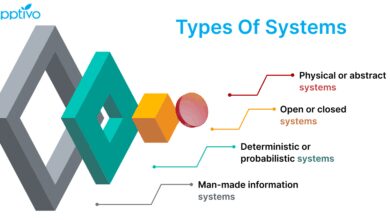
There are several types of system architecture, each suited to different needs and environments:
- Monolithic Architecture: All components are tightly coupled in a single codebase. Simple to deploy but hard to scale.
- Microservices Architecture: Applications are broken into small, independent services communicating via APIs. Highly scalable and flexible.
- Event-Driven Architecture: Components react to events or messages, ideal for real-time systems.
- Service-Oriented Architecture (SOA): Services are loosely coupled and reusable across applications.
Choosing the right type depends on your project’s scale, team size, and long-term goals.
Why System Architecture Matters
A well-thought-out system architecture isn’t just a technical detail—it’s a strategic advantage. Poor architecture can lead to system failures, high maintenance costs, and slow development cycles. On the flip side, a solid architecture enables agility, resilience, and innovation.
Impact on Scalability and Performance
Scalability is one of the most critical outcomes of good system architecture. Whether you’re building a startup MVP or an enterprise platform, your system must handle growth—both in users and data.
- Horizontal Scaling: Adding more machines to handle load (common in microservices).
- Vertical Scaling: Increasing the power of existing machines (common in monoliths).
For example, Amazon Web Services uses a distributed system architecture that allows it to scale globally while maintaining low latency.
Cost Efficiency and Maintenance
A clean architecture reduces technical debt. When components are modular, updating or replacing them becomes easier and less risky. This directly impacts maintenance costs and developer productivity.
- Reduced downtime during updates.
- Easier debugging due to isolated components.
- Lower onboarding time for new developers.
According to a study by the Carnegie Mellon University’s Software Engineering Institute, organizations that invest in architecture reviews save up to 50% in long-term maintenance costs.
Key Components of System Architecture
Every system architecture consists of several interconnected components. Understanding these helps in designing robust systems from the ground up.
Hardware and Software Layers
The physical and logical layers form the backbone of any system. The hardware layer includes servers, storage, and networking devices, while the software layer includes operating systems, middleware, and applications.
- Client-Server Model: Clients request services, servers provide them.
- Peer-to-Peer (P2P): Nodes share resources without a central server.
- Cloud-Native: Designed specifically for cloud environments using containers and orchestration.
Modern system architecture often leverages virtualization and containerization (like Docker and Kubernetes) to decouple software from hardware.
Data Flow and Integration
How data moves through a system is crucial. Poor data flow design can lead to bottlenecks, data loss, or inconsistency.
- Synchronous Communication: Request-response model (e.g., REST APIs).
- Asynchronous Communication: Message queues (e.g., Kafka, RabbitMQ) for decoupled processing.
- ETL Pipelines: Extract, Transform, Load processes for data warehousing.
For instance, Uber uses an event-driven system architecture to process millions of ride requests and location updates in real time.
Designing a Scalable System Architecture
Scalability isn’t an afterthought—it must be baked into the architecture from day one. This involves making smart choices about structure, communication, and data management.
Load Balancing and Fault Tolerance
To handle high traffic, load balancers distribute requests across multiple servers. This prevents any single point of failure.
- Round-robin, least connections, and IP hash are common load-balancing algorithms.
- Fault tolerance ensures the system remains operational even if some components fail.
- Techniques like replication, redundancy, and circuit breakers enhance reliability.
Netflix, for example, uses a microservices-based system architecture with built-in redundancy to ensure 99.99% uptime.
Caching Strategies
Caching is one of the most effective ways to improve performance. By storing frequently accessed data in memory, systems reduce database load and response time.
- Client-Side Caching: Browsers cache static assets.
- Server-Side Caching: Redis or Memcached for dynamic content.
- CDN (Content Delivery Network): Distributes content globally for faster delivery.
A well-implemented caching layer can reduce latency by up to 80%, according to research by Akamai.
System Architecture in Cloud Computing
The rise of cloud computing has revolutionized how we think about system architecture. Cloud platforms offer flexibility, scalability, and cost-efficiency that on-premise systems struggle to match.
Cloud-Native Architecture
Cloud-native architecture is designed to fully exploit cloud capabilities. It emphasizes microservices, containers, continuous delivery, and dynamic orchestration.
- Applications are built as loosely coupled services.
- Containers (like Docker) ensure consistency across environments.
- Orchestration tools (like Kubernetes) manage deployment, scaling, and operations.
Google’s internal system architecture evolved into Kubernetes, now the de facto standard for container orchestration.
Multi-Cloud and Hybrid Models
Organizations are increasingly adopting multi-cloud (using multiple cloud providers) or hybrid (mix of cloud and on-premise) strategies to avoid vendor lock-in and improve resilience.
- Multi-Cloud: Use AWS for compute, Azure for AI, GCP for analytics.
- Hybrid: Sensitive data on-premise, public-facing apps in the cloud.
- Tools like Terraform and Ansible help manage infrastructure across environments.
According to Gartner, over 80% of enterprises will adopt a multi-cloud strategy by 2025.
Security in System Architecture
Security isn’t a feature—it’s a foundational element of system architecture. A breach can cost millions and destroy trust. Therefore, security must be integrated from the start, not bolted on later.
Zero Trust Architecture
Traditional security models trust users inside the network. Zero Trust assumes no one is trusted by default, whether inside or outside the perimeter.
- Continuous authentication and authorization.
- Micro-segmentation to limit lateral movement.
- Least privilege access control.
Google’s BeyondCorp is a real-world implementation of Zero Trust system architecture, allowing secure access without a traditional VPN.
Data Encryption and Compliance
Data must be protected both at rest and in transit. Encryption ensures that even if data is intercepted, it remains unreadable.
- Use TLS/SSL for data in transit.
- Encrypt databases and backups using AES-256.
- Comply with regulations like GDPR, HIPAA, or CCPA.
A robust system architecture includes automated compliance checks and audit trails to meet regulatory requirements.
Future Trends in System Architecture
Technology evolves rapidly, and so does system architecture. Staying ahead means anticipating trends and adapting designs accordingly.
Serverless and Edge Computing
Serverless computing (like AWS Lambda) lets developers run code without managing servers. It scales automatically and charges only for execution time.
- Ideal for event-driven workloads (e.g., image processing).
- Reduces operational overhead.
- Edge computing brings processing closer to data sources (e.g., IoT devices).
By 2026, Gartner predicts that more than 50% of enterprise-generated data will be processed at the edge, up from 10% in 2021.
AI-Driven Architecture Design
Artificial intelligence is now being used to optimize system architecture. AI can analyze traffic patterns, predict failures, and suggest architectural improvements.
- Automated scaling based on AI forecasts.
- Anomaly detection in real-time monitoring.
- AI-powered code generation and refactoring.
Microsoft’s Azure uses AI to recommend architecture changes based on usage patterns and cost efficiency.
Best Practices for System Architecture
While every system is unique, certain best practices apply universally. Following them increases the chances of building a successful, long-lasting system.
Document Everything
Architecture decisions should be documented clearly. This includes diagrams, rationale for choices, and trade-offs considered.
- Use tools like C4 Model or UML for visual documentation.
- Maintain an Architecture Decision Record (ADR).
- Keep documentation updated as the system evolves.
Without documentation, knowledge becomes tribal, making onboarding and troubleshooting harder.
Iterative Design and Feedback Loops
Architecture isn’t set in stone. It should evolve with user feedback, performance data, and changing requirements.
- Use prototyping to test architectural assumptions.
- Conduct regular architecture reviews.
- Implement observability (logging, monitoring, tracing) to gather insights.
Netflix uses chaos engineering (via tools like Chaos Monkey) to test system resilience and improve architecture iteratively.
What is system architecture?
System architecture is the high-level design of a system, defining its components, their relationships, and how they interact to achieve desired functionality, performance, and scalability.
Why is system architecture important?
It ensures that a system is scalable, maintainable, secure, and cost-effective. Poor architecture can lead to system failures, high costs, and slow development.
What are the main types of system architecture?
The main types include monolithic, microservices, event-driven, service-oriented (SOA), and serverless architectures, each with its own strengths and use cases.
How does cloud computing affect system architecture?
Cloud computing enables scalable, flexible, and cost-efficient architectures. It promotes cloud-native designs using containers, microservices, and serverless functions.
What is Zero Trust in system architecture?
Zero Trust is a security model that requires strict identity verification for every user and device, regardless of location, minimizing the risk of breaches.
System architecture is the invisible force behind every successful digital product. From defining structure to ensuring scalability, security, and performance, it shapes how systems behave under pressure and evolve over time. Whether you’re designing a simple app or a global platform, investing in a solid architecture pays dividends in reliability, speed, and innovation. As technology advances, embracing trends like cloud-native design, AI-driven optimization, and edge computing will be key to staying competitive. The future belongs to those who architect not just for today, but for what’s next.
Further Reading: