If you’re eyeing a future in tech, diving into system engineer jobs is a smart move. These roles blend technical mastery with real-world problem-solving, making them some of the most rewarding in IT today.
What Are System Engineer Jobs?

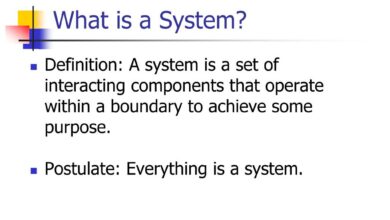
System engineer jobs involve designing, implementing, and maintaining complex systems that keep businesses running smoothly. These professionals sit at the intersection of hardware, software, and network infrastructure, ensuring everything works in harmony. Unlike traditional IT roles focused on troubleshooting, system engineers take a holistic approach—planning, optimizing, and automating systems for scalability and reliability.






Core Responsibilities of a System Engineer
System engineers are the backbone of modern IT operations. Their day-to-day tasks vary widely depending on the organization, but core responsibilities typically include:
- Designing and deploying IT infrastructure (servers, networks, cloud platforms)
- Monitoring system performance and resolving bottlenecks
- Implementing automation scripts to reduce manual work
- Ensuring system security and compliance with industry standards
- Collaborating with development, operations, and security teams
These roles require a deep understanding of operating systems (like Linux and Windows), virtualization technologies, and configuration management tools such as Ansible, Puppet, or Chef.
Difference Between System Engineer and Other IT Roles
It’s easy to confuse system engineers with network engineers, DevOps engineers, or system administrators. While there’s overlap, key distinctions exist:
- System Administrators focus on maintaining existing systems—user accounts, patching, backups. System engineers go further by designing and optimizing those systems.
- Network Engineers specialize in routing, switching, and firewalls. System engineers integrate network components into broader system architectures.
- DevOps Engineers emphasize CI/CD pipelines and code deployment. System engineers often lay the groundwork for DevOps by building stable, automated environments.
“A system engineer doesn’t just fix problems—they anticipate them.” — Tech Lead, Google Cloud
Top 7 System Engineer Jobs in 2024
The demand for skilled system engineers has exploded across industries. From cloud platforms to cybersecurity, here are seven of the most in-demand system engineer jobs shaping the tech landscape this year.
1. Cloud Systems Engineer
As companies migrate to AWS, Microsoft Azure, and Google Cloud, cloud systems engineers are in high demand. These professionals design and manage cloud infrastructure, ensuring scalability, security, and cost-efficiency.
- Architect cloud environments using IaC (Infrastructure as Code) tools like Terraform
- Optimize cloud spending through resource tagging and auto-scaling policies
- Integrate cloud services with on-premise systems
According to Bureau of Labor Statistics, cloud-related roles are projected to grow 15% by 2030, much faster than average.
2. DevOps Systems Engineer
DevOps systems engineers bridge the gap between development and operations. They automate deployment pipelines, monitor application performance, and ensure rapid, reliable software delivery.
- Build CI/CD pipelines using Jenkins, GitLab CI, or GitHub Actions
- Use containerization tools like Docker and orchestration platforms like Kubernetes
- Implement observability with tools like Prometheus, Grafana, and ELK Stack
This role is ideal for those who enjoy coding, automation, and continuous improvement. The average salary for DevOps systems engineers exceeds $120,000 in the U.S., according to Glassdoor.
3. Network Systems Engineer
Network systems engineers design and maintain the backbone of enterprise communication. They ensure data flows securely and efficiently across local and wide-area networks.
- Configure routers, switches, and firewalls (Cisco, Juniper, Palo Alto)
- Implement SD-WAN and Zero Trust network architectures
- Monitor network traffic and troubleshoot latency or downtime issues
With the rise of remote work and hybrid cloud models, network resilience is more critical than ever. Certifications like CCNP or CompTIA Network+ can significantly boost job prospects.
4. Security Systems Engineer
In an era of escalating cyber threats, security systems engineers are essential. They harden systems against attacks, conduct vulnerability assessments, and respond to security incidents.
- Deploy and manage firewalls, intrusion detection systems (IDS), and endpoint protection
- Conduct penetration testing and risk analysis
- Ensure compliance with standards like ISO 27001, NIST, or HIPAA
This role often requires knowledge of SIEM tools (e.g., Splunk, IBM QRadar) and incident response frameworks. The global cybersecurity workforce gap stands at 3.4 million, per (ISC)² 2023 Workforce Study, making this one of the most urgent system engineer jobs.
5. Embedded Systems Engineer
Embedded systems engineers work on hardware-software integration for devices like medical equipment, automotive systems, and IoT gadgets. These engineers write low-level code that interacts directly with hardware.
- Develop firmware using C, C++, or Rust
- Debug real-time operating systems (RTOS) and microcontrollers
- Optimize power consumption and processing efficiency
This niche field is growing rapidly with the expansion of smart devices and autonomous systems. Companies like Tesla, Medtronic, and Intel actively seek embedded talent.
6. Virtualization Systems Engineer
Virtualization engineers specialize in creating and managing virtual machines (VMs) and hypervisors. They help organizations maximize hardware utilization and reduce costs.
- Deploy and manage VMware vSphere, Microsoft Hyper-V, or KVM environments
- Design high-availability clusters and disaster recovery solutions
- Migrate physical servers to virtual platforms
These engineers are crucial for data center modernization. VMware reports that enterprises using virtualization see up to 50% reduction in IT infrastructure costs.
7. Site Reliability Engineer (SRE)
Site Reliability Engineers (SREs) are a specialized form of system engineer focused on uptime, performance, and automation. Pioneered by Google, SRE combines software engineering with systems administration.
- Define and monitor service-level objectives (SLOs) and error budgets
- Automate repetitive operations tasks using Python or Go
- Lead incident response and post-mortem analysis
SREs are among the highest-paid system engineer jobs, with salaries often exceeding $150,000 in major tech hubs. Google’s SRE book is a must-read for aspiring candidates.
Required Skills for System Engineer Jobs
To succeed in system engineer jobs, a blend of technical and soft skills is essential. Employers look for candidates who can not only configure servers but also communicate effectively and solve complex problems under pressure.
Technical Skills You Must Have
Technical proficiency is the foundation of any system engineer role. Key skills include:
- Operating Systems: Deep knowledge of Linux (Ubuntu, CentOS, RHEL) and Windows Server
- Scripting and Automation: Bash, PowerShell, Python for automating tasks
- Networking: TCP/IP, DNS, DHCP, VLANs, and routing protocols
- Cloud Platforms: AWS, Azure, or GCP with hands-on experience in EC2, S3, VPC, etc.
- Configuration Management: Tools like Ansible, Puppet, or Chef for infrastructure automation
- Monitoring Tools: Nagios, Zabbix, Datadog, or Prometheus for system health checks
Many job postings now require experience with containerization (Docker) and orchestration (Kubernetes), reflecting the shift toward microservices architecture.
Soft Skills That Set You Apart
While technical skills get your foot in the door, soft skills determine long-term success. Top soft skills for system engineers include:
- Problem-Solving: The ability to diagnose and resolve complex system failures quickly
- Communication: Explaining technical issues to non-technical stakeholders
- Time Management: Juggling multiple projects and urgent outages
- Team Collaboration: Working effectively with developers, security teams, and management
- Adaptability: Keeping up with rapidly evolving technologies and best practices
“The best system engineers aren’t just coders—they’re thinkers who anticipate failure before it happens.” — Senior SRE, Netflix
How to Get Started in System Engineer Jobs
Breaking into system engineer jobs doesn’t require a PhD, but it does require a strategic approach. Whether you’re a recent graduate or transitioning from another IT role, here’s how to launch your career.
Education and Certifications
While a bachelor’s degree in computer science, information technology, or engineering is common, many employers value certifications and hands-on experience equally.
- CompTIA A+ and Network+: Entry-level certs that validate foundational IT knowledge
- Microsoft Certified: Azure Administrator or AWS Certified Solutions Architect: Cloud-specific credentials in high demand
- Red Hat Certified Engineer (RHCE): Proves advanced Linux administration skills
- Certified Information Systems Security Professional (CISSP): For those targeting security-focused system engineer jobs
Platforms like Coursera, Udemy, and Pluralsight offer affordable paths to certification. Google’s IT Support Professional Certificate on Coursera is a great starting point.
Building a Strong Portfolio
Since system engineering is hands-on, a portfolio showcasing your projects can be more impactful than a resume alone. Consider:
- Setting up a home lab with virtual machines using VMware or VirtualBox
- Deploying a web server on AWS and securing it with a firewall and SSL
- Creating automation scripts to back up files or monitor disk usage
- Documenting your projects on GitHub with clear README files
Employers love to see initiative. A well-documented GitHub profile can open doors even without formal experience.
Internships and Entry-Level Roles
Many system engineers start as IT support specialists, help desk technicians, or junior administrators. These roles provide real-world exposure to system operations.
- Apply for internships at tech companies, MSPs (Managed Service Providers), or government agencies
- Look for titles like “Systems Administrator Associate” or “IT Operations Technician”
- Volunteer to manage IT for nonprofits or small businesses to gain experience
Networking is key. Attend local tech meetups, join online communities like Reddit’s r/sysadmin, and connect with professionals on LinkedIn.
Salary Expectations for System Engineer Jobs
System engineer jobs are among the highest-paying in IT, with salaries varying by role, location, experience, and industry.
Entry-Level vs. Senior Salaries
Starting salaries for system engineers typically range from $65,000 to $85,000 in the U.S. With 3–5 years of experience, professionals can expect $95,000–$120,000. Senior or lead roles often exceed $140,000, especially in tech-heavy regions like San Francisco or Seattle.
- Cloud Systems Engineer: $100,000–$140,000
- DevOps Systems Engineer: $110,000–$150,000
- Security Systems Engineer: $95,000–$135,000
- Site Reliability Engineer: $130,000–$170,000
Salaries in Europe and Asia vary but remain competitive. For example, in Germany, senior system engineers earn €70,000–€90,000 annually.
Factors That Influence Pay
Several factors can boost earning potential in system engineer jobs:
- Location: Tech hubs like Silicon Valley, New York, or London offer higher salaries but also higher living costs
- Industry: Finance, healthcare, and tech companies often pay more than education or non-profits
- Certifications: AWS, CISSP, or RHCE holders earn 15–25% more on average
- Remote Work: Many system engineer jobs are remote-friendly, allowing global opportunities and cost-of-living advantages
According to PayScale, system engineers with Kubernetes and Python skills see the highest salary premiums.
Future Trends in System Engineer Jobs
The role of system engineers is evolving rapidly due to technological advancements and changing business needs. Staying ahead of these trends is crucial for long-term career growth.
Rise of Automation and AI
Automation is no longer optional—it’s expected. System engineers are increasingly using AI-driven tools to predict failures, optimize performance, and automate responses.
- AI-powered monitoring tools like Dynatrace and AIOps platforms detect anomalies before users notice
- ChatOps and bot-driven incident management streamline workflows
- Machine learning models analyze log data to identify security threats
Engineers who embrace automation will thrive; those who resist may find their roles automated out of existence.
Shift to Hybrid and Multi-Cloud Environments
Most enterprises now use a mix of public cloud, private cloud, and on-premise systems. This hybrid model demands system engineers who can manage complexity across platforms.
- Skills in AWS, Azure, and GCP are increasingly required simultaneously
- Tools like Terraform and Kubernetes enable consistent deployment across clouds
- Security and compliance must be unified across all environments
Mastering multi-cloud strategies will make you indispensable in modern IT teams.
Growing Importance of Cybersecurity Integration
Security is no longer a separate function—it’s embedded into every system. System engineers must now “bake in” security from the start (DevSecOps).
- Implement zero trust architectures and least-privilege access
- Automate vulnerability scanning and patch management
- Integrate security into CI/CD pipelines
The Cybersecurity and Infrastructure Security Agency (CISA) emphasizes that system engineers play a critical role in national digital resilience.
Challenges in System Engineer Jobs
While system engineer jobs are rewarding, they come with significant challenges. Understanding these hurdles helps you prepare and succeed.
High Pressure and On-Call Responsibilities
System engineers often work under intense pressure, especially during outages. Many roles require 24/7 on-call rotations, which can impact work-life balance.
- Responding to critical incidents at 3 AM is part of the job
- Post-mortem analysis demands accountability and transparency
- Burnout is a real risk without proper support and rotation policies
Companies are increasingly adopting blameless cultures and mental health support to retain top talent.
Keeping Up with Rapid Technological Change
The tech landscape evolves weekly. New tools, frameworks, and best practices emerge constantly.
- Staying current requires continuous learning—webinars, blogs, certifications
- Legacy systems still exist, requiring knowledge of outdated tech alongside modern tools
- Vendor lock-in and compatibility issues complicate upgrades
Successful engineers treat learning as a daily habit, not a yearly event.
Complexity of Modern IT Environments
Today’s systems are more distributed, dynamic, and interconnected than ever. Microservices, containers, serverless computing, and edge devices add layers of complexity.
- Debugging a failed deployment may require tracing across dozens of services
- Configuration drift between environments causes unexpected failures
- Documentation often lags behind real-world changes
Effective system engineers use observability, automation, and strong documentation to manage this complexity.
How to Stand Out in System Engineer Jobs
With growing competition, standing out in system engineer jobs requires more than just technical skills. Here’s how to differentiate yourself.
Master Automation and Scripting
Automation is the hallmark of a mature system engineer. Employers value candidates who can reduce manual work.
- Learn Python for building custom tools and APIs
- Use Ansible for configuration management and orchestration
- Create scripts to automate backups, monitoring, and reporting
Even simple automation projects on GitHub can impress hiring managers.
Develop Cross-Disciplinary Knowledge
The best system engineers understand not just IT, but also business goals, security, and development workflows.
- Learn the basics of software development (Git, CI/CD)
- Understand compliance requirements (GDPR, HIPAA)
- Align system designs with business continuity and disaster recovery plans
This broader perspective makes you a strategic partner, not just a technician.
Contribute to Open Source and Communities
Contributing to open-source projects or writing technical blogs builds credibility and visibility.
- Fix bugs or improve documentation in popular tools like Kubernetes or Ansible
- Write tutorials on setting up secure servers or automating tasks
- Speak at meetups or webinars to share your expertise
Many hiring managers actively scout GitHub and technical forums for talent.
What are system engineer jobs?
System engineer jobs involve designing, implementing, and maintaining IT systems that support business operations. These roles span cloud computing, networking, security, and automation, requiring both technical expertise and problem-solving skills.
What qualifications do I need for system engineer jobs?
While a degree in computer science or IT helps, many employers value certifications (like AWS, CompTIA, or RHCE) and hands-on experience. Building a portfolio with real projects can be just as important as formal education.
Are system engineer jobs in high demand?
Yes. With digital transformation accelerating across industries, demand for skilled system engineers is growing rapidly—especially in cloud, cybersecurity, and DevOps roles.
How much do system engineer jobs pay?
Salaries vary by role and location, but entry-level positions start around $65,000, while senior roles can exceed $150,000. Cloud, DevOps, and SRE roles typically offer the highest compensation.
Can I work remotely in system engineer jobs?
Absolutely. Many system engineer jobs are remote-friendly, especially in cloud, DevOps, and security roles. Employers value results and reliability over physical presence.
System engineer jobs are more than just technical roles—they’re strategic positions that keep modern businesses running. From cloud infrastructure to cybersecurity, these professionals solve complex challenges and drive innovation. With the right skills, certifications, and mindset, you can build a rewarding career in this dynamic field. Whether you’re just starting or looking to level up, the opportunities in system engineer jobs have never been greater.
Further Reading: