Ever wonder why you make decisions in a flash—without even thinking? That’s System One in action: your brain’s lightning-fast autopilot, silently shaping your choices every second of the day.
What Is System One? The Brain’s Hidden Decision Engine
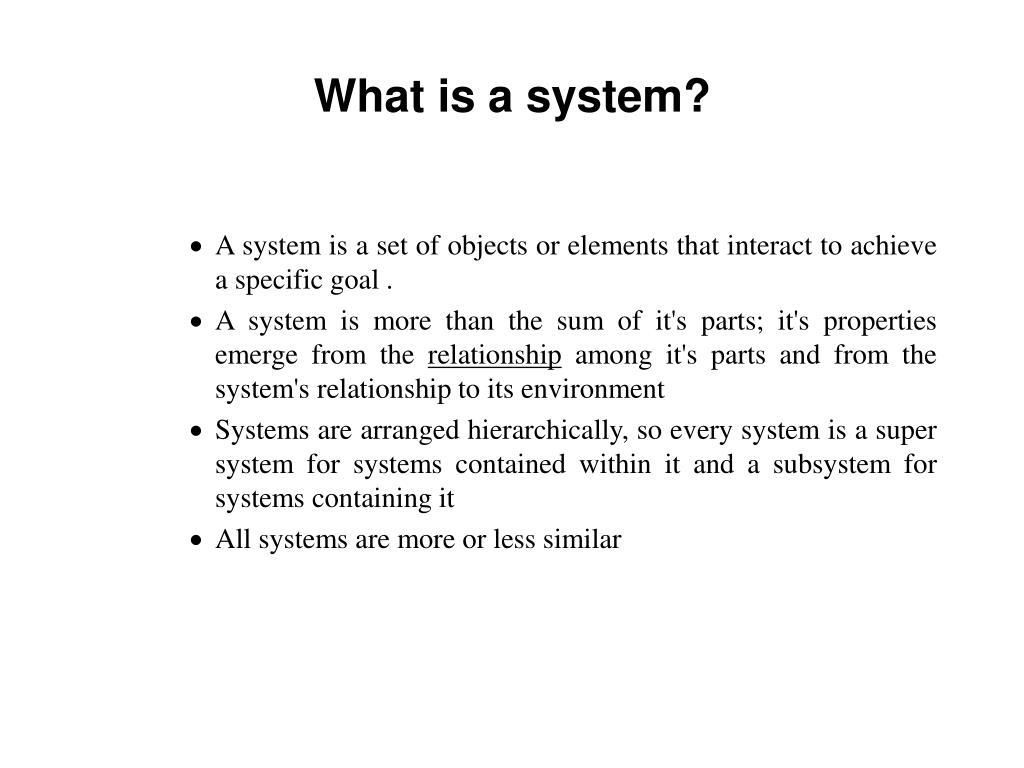
At the heart of modern cognitive psychology lies a groundbreaking concept: the dual-process theory of thinking. This theory, popularized by Nobel laureate Daniel Kahneman in his seminal book Thinking, Fast and Slow, introduces two distinct systems that govern human thought—System One and System Two. System One is the rapid, intuitive, and largely unconscious mode of thinking that operates automatically and effortlessly.
Defining System One: Fast, Automatic, and Emotional
System One is responsible for quick judgments and immediate reactions. It’s the mental machinery behind recognizing a friend’s face in a crowd, understanding emotions from tone of voice, or instinctively swerving to avoid a car accident. Unlike its slower counterpart, System Two, System One doesn’t require concentration or deliberate effort. It works in the background, processing vast amounts of information in parallel.
- Operates automatically and quickly, with little or no effort.
- Relies on heuristics, or mental shortcuts, to make decisions.
- Highly influenced by emotions, context, and past experiences.
How System One Differs from System Two
While System One is fast and intuitive, System Two is slow, logical, and deliberate. System Two kicks in when you solve a complex math problem, fill out a tax form, or decide on a long-term investment. It requires attention, energy, and conscious thought. The key difference lies in cognitive load: System One runs on autopilot; System Two demands mental effort.
“System One is gullible and biased toward belief; System Two is in charge of doubt and disbelief.” — Daniel Kahneman, Thinking, Fast and Slow
The Science Behind System One: How Your Brain Thinks Without Thinking
Neuroscience and cognitive psychology have revealed that System One is not just a metaphor—it’s a biological reality. Our brains are wired to conserve energy, and System One is the evolutionary solution to making rapid decisions in a complex world. It’s the reason we can navigate social interactions, avoid danger, and respond to stimuli without pausing to analyze every detail.
Neural Pathways and Automatic Processing
System One relies on well-established neural networks that fire automatically in response to familiar stimuli. For example, when you see a red traffic light, your brain doesn’t need to deliberate—you instinctively hit the brakes. This automaticity is made possible by the basal ganglia and the amygdala, brain regions associated with habit formation and emotional processing.
- The amygdala processes fear and emotional responses in milliseconds.
- The basal ganglia manage habitual behaviors, like driving a familiar route.
- These structures allow System One to bypass the prefrontal cortex, where conscious reasoning occurs.
Evolutionary Roots of System One
From an evolutionary standpoint, System One was essential for survival. Early humans didn’t have time to calculate the trajectory of a falling rock or debate whether a rustling in the bushes was a predator. Those who reacted quickly—thanks to System One—were more likely to survive and pass on their genes. This instinctive thinking mode gave humans a crucial edge in unpredictable environments.
Today, while we no longer face saber-toothed tigers, System One still governs many of our daily decisions—from choosing what to eat for breakfast to interpreting social cues in a meeting. You can learn more about the neuroscience of decision-making at this NIH research paper.
System One in Everyday Life: Examples You Experience Daily
System One isn’t just a theoretical concept—it’s active in every moment of your life. From the moment you wake up to when you fall asleep, your brain is using System One to manage routine tasks, interpret sensory input, and guide behavior.
Driving and Habitual Behaviors
Have you ever driven home and realized you don’t remember parts of the journey? That’s System One at work. Once a task becomes routine, it shifts from conscious control (System Two) to automatic processing (System One). This allows you to navigate traffic, change lanes, and respond to signals without actively thinking about each action.
- Driving on autopilot frees up mental resources for other tasks.
- However, this can lead to inattentional blindness—missing unexpected events.
- Studies show that up to 80% of driving decisions are made unconsciously.
Social Interactions and First Impressions
When you meet someone new, System One instantly forms a judgment—often within seconds. It assesses facial expressions, body language, and tone of voice to determine trustworthiness, friendliness, or threat level. These snap judgments are powerful and hard to override, even with contradictory evidence.
For instance, research from Princeton University shows that people can predict election outcomes based on candidates’ facial appearance in less than a second—demonstrating the influence of System One in social decision-making. Read more about this study here.
The Power of Heuristics: How System One Uses Mental Shortcuts
System One relies heavily on heuristics—simple rules of thumb that allow for quick decision-making. While these shortcuts are often useful, they can also lead to systematic errors, or cognitive biases.
Availability Heuristic: Judging by What Comes to Mind
The availability heuristic means that people judge the likelihood of events based on how easily examples come to mind. For example, after seeing news reports about plane crashes, someone might overestimate the danger of flying—even though statistically, it’s one of the safest modes of transport.
- Media coverage amplifies the availability of rare but dramatic events.
- This leads to distorted risk perception—fearing the wrong things.
- Marketers exploit this by making their brand more memorable.
Representativeness Heuristic: Judging by Stereotypes
This heuristic involves judging the probability of something based on how similar it is to a prototype. For example, if someone describes a quiet, detail-oriented person who loves books, you might assume they’re a librarian—even if statistically, there are far more retail workers who fit that description.
“The representativeness heuristic leads us to ignore base rates and make flawed judgments.” — Amos Tversky & Daniel Kahneman
This bias explains why people often misjudge probabilities in finance, medicine, and law.
System One and Cognitive Biases: The Hidden Flaws in Fast Thinking
While System One is efficient, it’s far from perfect. Its reliance on heuristics makes it prone to a wide range of cognitive biases—systematic deviations from rationality that affect judgment and decision-making.
Anchoring Bias: The Power of First Impressions
Anchoring occurs when people rely too heavily on the first piece of information they receive (the “anchor”) when making decisions. For example, if a store lists a shirt at $100 and then marks it down to $50, the original price acts as an anchor, making the discount seem more valuable—even if the shirt was never worth $100.
- Anchoring affects negotiations, pricing, and salary discussions.
- Even arbitrary anchors (like the last two digits of your social security number) can influence estimates.
- Real estate agents use anchoring to set high listing prices.
Confirmation Bias: Seeing What You Want to See
System One tends to favor information that confirms existing beliefs and ignore contradictory evidence. This is why people often interpret ambiguous data in ways that support their worldview—whether in politics, religion, or personal relationships.
A classic example is how fans of opposing sports teams interpret the same referee call differently. Each side believes the call was biased against them, demonstrating how System One filters reality through emotional and cognitive lenses. Learn more about confirmation bias at this peer-reviewed study.
System One in Marketing and Advertising: How Brands Exploit Fast Thinking
Marketers have long understood the power of System One and use it to influence consumer behavior. By appealing to emotions, familiarity, and instinctive responses, brands can bypass rational analysis and create strong, lasting impressions.
Emotional Branding and Implicit Associations
Successful brands don’t just sell products—they sell feelings. Coca-Cola, for example, associates its brand with happiness, family, and celebration. These emotional cues activate System One, creating positive associations that influence purchasing decisions without conscious reasoning.
- Colors, music, and imagery are carefully chosen to trigger emotional responses.
- Brands like Apple use minimalist design to evoke sophistication and innovation.
- Emotional ads are more memorable and shareable than rational ones.
The Role of Repetition and Familiarity
The mere exposure effect—a phenomenon where people develop a preference for things simply because they are familiar with them—is a direct result of System One processing. The more you see a brand, logo, or slogan, the more you tend to like it—even if you’re not aware of it.
This is why advertising campaigns run repeatedly across multiple platforms. Repetition builds familiarity, and familiarity breeds trust. As Robert Zajonc, the psychologist who discovered this effect, put it: “Preferences need no inferences.” Explore his research here.
System One and Decision-Making: When Fast Thinking Helps (and Hurts)
System One is both a blessing and a curse. It enables quick decisions in high-pressure situations but can also lead to costly mistakes when logic and analysis are needed.
When System One Saves Lives
In emergencies, System One is invaluable. Firefighters, soldiers, and athletes often rely on intuition to make split-second decisions. Expert intuition—developed through years of experience—allows professionals to recognize patterns and respond appropriately without conscious deliberation.
- Chess masters can assess a board in seconds, drawing on thousands of stored patterns.
- Doctors sometimes diagnose patients based on a “gut feeling” before tests confirm it.
- These intuitions are not random—they’re the result of System One recognizing familiar configurations.
When System One Leads to Errors
However, System One can misfire, especially in unfamiliar or complex situations. For example, investors may panic and sell stocks during a market dip, driven by fear rather than analysis. Similarly, hiring managers might reject qualified candidates based on unconscious biases.
The key is recognizing when to trust System One and when to engage System Two. As Kahneman notes, “The confidence people have in their intuitions is not a reliable guide to their validity.”
How to Harness System One: Strategies for Smarter Decisions
You can’t turn off System One—but you can learn to work with it. By understanding its strengths and weaknesses, you can make better decisions and avoid common pitfalls.
Designing Your Environment for Better Choices
Since System One responds to cues in the environment, you can “nudge” yourself toward better behavior. For example, placing healthy snacks at eye level makes them more likely to be chosen automatically. This concept, known as choice architecture, is used in public policy and personal habit formation.
- Use defaults to encourage desired behaviors (e.g., automatic savings).
- Reduce friction for good habits (e.g., laying out workout clothes the night before).
- Remove temptation (e.g., uninstalling social media apps to reduce distraction).
Recognizing When to Slow Down
The most important skill is knowing when to switch from System One to System Two. If a decision is high-stakes, complex, or emotionally charged, it’s time to pause and think deliberately. Simple rules like the “10-10-10 rule” (how will I feel about this in 10 minutes, 10 months, 10 years?) can help activate System Two.
Additionally, seeking diverse perspectives and questioning your initial reaction can reduce the influence of bias. For more on decision-making strategies, visit Harvard Business Review’s guide.
System One in Artificial Intelligence: Can Machines Think Like Humans?
As AI systems become more advanced, researchers are exploring whether machines can replicate System One thinking. While traditional AI relies on logic and data (akin to System Two), new approaches in deep learning and neural networks aim to mimic the fast, pattern-based processing of the human brain.
Neural Networks and Pattern Recognition
Modern AI, especially in computer vision and natural language processing, uses artificial neural networks that resemble the brain’s architecture. These systems learn to recognize patterns—faces, speech, spam emails—through exposure to vast datasets, much like System One learns from experience.
- AI can now detect diseases from medical images faster than human doctors.
- Self-driving cars use System One-like processing to react to traffic in real time.
- However, AI lacks emotional context and true understanding.
The Limits of Machine Intuition
While AI can simulate fast thinking, it doesn’t “understand” in the human sense. It can’t feel fear, empathy, or creativity—emotions that shape System One’s responses. Moreover, AI systems can inherit biases from training data, leading to unfair or dangerous outcomes.
For example, facial recognition systems have been shown to perform poorly on people of color, reflecting biased datasets. This highlights the need for human oversight when AI mimics System One. Read more on AI ethics at Nature’s AI bias report.
What is System One in psychology?
System One is the fast, automatic, and unconscious mode of thinking described in Daniel Kahneman’s dual-process theory. It handles intuitive judgments, emotional responses, and habitual behaviors without deliberate effort.
How does System One affect decision-making?
System One influences decisions through heuristics and biases, enabling quick reactions but also leading to errors like overconfidence, anchoring, and confirmation bias—especially in complex or unfamiliar situations.
Can System One be controlled?
You can’t turn off System One, but you can learn to recognize when it’s active. By creating supportive environments and knowing when to engage System Two (slow, logical thinking), you can make better decisions.
What’s the difference between System One and System Two?
System One is fast, emotional, and automatic; System Two is slow, logical, and effortful. System One runs on autopilot; System Two requires focus and reasoning.
How is System One used in marketing?
Marketers use System One by appealing to emotions, repetition, and familiarity. Branding, colors, music, and storytelling are designed to trigger automatic, positive associations that influence consumer behavior.
System One is the silent force behind most of your daily decisions. It’s fast, efficient, and essential for survival—but it’s also prone to biases and errors. By understanding how it works, you can harness its power while knowing when to slow down and think critically. Whether in personal choices, business strategies, or AI development, recognizing the role of System One is key to smarter, more intentional living.
Further Reading:
