Ever wondered why your phone buzzes at the perfect (or worst) time? System notifications are the silent conductors of our digital lives—guiding, warning, and sometimes overwhelming us. Let’s dive into how they work, why they matter, and how to take control.
What Are System Notifications and Why They Matter

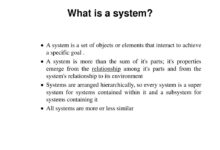
System notifications are automated messages generated by an operating system or application to inform users about events, updates, or actions. These alerts appear on desktops, smartphones, tablets, and even smartwatches, serving as a bridge between the user and the digital environment. They are essential for real-time communication, task management, and system health monitoring.
The Core Function of System Notifications
At their core, system notifications exist to deliver timely and relevant information without requiring user initiation. Whether it’s a software update reminder, a calendar alert, or a security warning, these messages ensure users stay informed. According to Android Developers, notifications are designed to be non-intrusive yet effective in capturing attention when necessary.
- Deliver real-time updates from apps and the OS
- Alert users to urgent events like security breaches
- Improve user engagement and task completion rates
Types of System Notifications
Notifications come in various forms depending on the platform and purpose. Common types include:
Alerts: High-priority pop-ups that require immediate attention (e.g., incoming calls).Banners: Temporary messages that slide in from the top or side (common on iOS and macOS).Badges: Small icons or numbers on app icons indicating unread items.Toast Messages: Ephemeral notifications on Android that disappear after a few seconds.
.Notification Center Entries: Persistent entries viewable in a centralized hub (e.g., Windows Action Center or iOS Notification Center).”Notifications are the nervous system of modern computing—connecting users to the pulse of their digital world.” — UX Design Research, Nielsen Norman Group
How System Notifications Work Across Platforms
Different operating systems handle system notifications in unique ways, tailored to their user experience philosophies.Understanding these differences helps users and developers optimize alert delivery and reception..
Windows: Action Center and Toast Notifications
Windows 10 and 11 use the Action Center as a central hub for all system notifications. Apps can send toast notifications—transient pop-ups that appear in the corner of the screen. These can include actions like “Snooze” or “Dismiss,” enhancing interactivity.
Microsoft’s Adaptive Notifications framework allows developers to customize layouts and behaviors, making alerts more context-aware. Users can also prioritize apps, mute specific senders, or schedule focus hours to reduce distractions.
macOS and iOS: Unified Notification Center
Apple’s ecosystem uses a unified Notification Center across devices. Notifications are grouped by app and can be viewed on the lock screen, in the notification shade, or on the Apple Watch. With iOS 15 and later, users can choose between “Deliver Quietly” and “Allow Notifications,” giving fine-grained control.
Apple emphasizes privacy and relevance. For instance, notifications from sensitive apps like banking or health are hidden on the lock screen by default. Developers must request permission before sending alerts, and users can customize delivery timing using Focus modes.
Android: Flexible and Customizable Alerts
Android offers the most flexibility in managing system notifications. Starting with Android 8.0 (Oreo), Google introduced Notification Channels, allowing apps to categorize alerts into groups (e.g., “Promotions,” “Messages,” “Updates”). Users can mute or customize each channel independently.
Android’s Notification Channels API empowers users to control the sound, vibration, and importance level of each category. This granular control helps prevent notification fatigue while ensuring critical alerts aren’t missed.
The Psychology Behind Notification Design
Why do some notifications grab our attention instantly while others are ignored? The answer lies in cognitive psychology and behavioral design. Developers and UX researchers use principles like attention economy, habit formation, and emotional triggers to make system notifications effective.
Attention and Cognitive Load
Human attention is a limited resource. Notifications compete for cognitive space, often interrupting deep work or relaxation. A study by the University of California, Irvine found that it takes an average of 23 minutes to regain focus after a single interruption. This makes the timing and relevance of system notifications crucial.
- Interruptions increase stress and reduce productivity
- Well-timed alerts improve task completion and user satisfaction
- Redundant or irrelevant notifications lead to “alert fatigue”
The Role of Sound, Color, and Vibration
Sensory cues play a vital role in notification effectiveness. Sound, color, and haptic feedback are carefully chosen to convey urgency and context:
- Red alerts: Indicate errors or high-priority warnings.
- Blue or green: Suggest informational or positive updates.
- Vibration patterns: Different rhythms signal different event types (e.g., long pulse for calls, short bursts for messages).
For example, Apple uses distinct chimes for iMessage, FaceTime, and Mail, helping users identify the source without looking at the screen.
Behavioral Triggers and Habit Formation
Notifications are often designed to exploit psychological triggers like curiosity, fear of missing out (FOMO), and variable rewards. Social media apps, for instance, use unpredictable notification timing to keep users engaged—a technique borrowed from slot machine design.
While this boosts engagement, it raises ethical concerns. The Center for Humane Technology advocates for “time well spent” design, urging developers to prioritize user well-being over screen time.
Best Practices for Managing System Notifications
With the average smartphone user receiving over 60 notifications per day, managing system notifications effectively is essential for mental clarity and productivity. Here are proven strategies to regain control.
Customize Notification Settings by App
Not all apps deserve equal attention. Start by auditing which apps send notifications and how often. On both iOS and Android, you can disable alerts for low-priority apps or set them to “Deliver Quietly.”
- Go to Settings > Notifications and review each app
- Disable sounds and banners for non-essential apps
- Use “Do Not Disturb” or Focus modes during work or sleep hours
Use Priority Modes and Scheduling
Modern operating systems offer smart scheduling features. For example, Android’s “Focus Mode” lets you pause notifications from distracting apps, while iOS “Sleep Focus” silences all alerts except from designated contacts.
You can also schedule notification delivery. Google’s “Summary Notifications” feature batches non-urgent alerts and delivers them at optimal times, reducing interruptions.
Enable Critical Alerts for Important Apps
Some notifications are too important to miss. Both iOS and Android allow critical alerts that bypass silent modes. These are typically reserved for health, security, or emergency apps.
For instance, a smartwatch fall detection alert or a two-factor authentication request should always break through. Ensure these high-stakes system notifications are enabled and tested regularly.
Security and Privacy Risks of System Notifications
While system notifications are helpful, they can also expose sensitive information or be exploited by malicious actors. Understanding these risks is key to staying safe in a connected world.
Information Leakage on Lock Screens
Many users leave their devices unlocked or use weak passcodes. When notifications display message content, sender names, or email previews on the lock screen, they risk exposing private data to anyone nearby.
- Disable message previews on lock screens
- Use “Hide Sensitive Content” settings
- Enable biometric authentication for quick re-locking
Phishing and Fake Notifications
Malware and phishing apps can generate fake system notifications designed to mimic legitimate alerts. These may prompt users to click links, download malware, or enter credentials.
For example, a fake “Google Security Alert” might redirect you to a phishing site. Always verify the source—real system notifications come from trusted apps, not unknown senders.
Permissions and Data Access
When an app requests notification permissions, it often gains access to other system resources. Some apps misuse this access to track user behavior or collect data.
Review app permissions regularly. On Android, go to Settings > Apps > [App Name] > Permissions. On iOS, use Settings > Privacy & Security. Revoke unnecessary access to protect your privacy.
Future Trends in System Notifications
As AI, machine learning, and wearable tech evolve, so too will system notifications. The future promises smarter, more personalized, and context-aware alerts that enhance rather than interrupt.
AI-Powered Notification Filtering
Google’s AI in Gmail already uses machine learning to prioritize important emails. Similar technology is being applied to notifications. AI can learn your habits and predict which alerts matter most, suppressing the rest.
For example, if you’re in a meeting, your phone might delay non-urgent messages until you’re free. This reduces cognitive load and improves focus.
Context-Aware Alerts
Future notifications will consider context—location, activity, time of day, and even biometrics. A smartwatch might delay a social media alert if your heart rate indicates you’re exercising, or prioritize a calendar reminder if you’re near the meeting location.
Apple’s Proactive Suggestions and Google’s Now on Tap are early examples of this trend.
Integration with Wearables and IoT
As smart homes and wearables grow, system notifications will extend beyond phones. Your fridge might alert you when milk is low, or your car could notify you of traffic delays before you leave.
These alerts will be synchronized across devices, creating a seamless, intelligent ecosystem. However, this also increases the need for unified notification management and robust security protocols.
How Developers Can Optimize System Notifications
For app creators, designing effective system notifications is both an art and a science. Poorly implemented alerts can lead to app uninstalls, while well-crafted ones boost engagement and user satisfaction.
Follow Platform-Specific Guidelines
Each OS has design and usability guidelines for notifications. Apple’s Human Interface Guidelines and Google’s Material Design principles emphasize clarity, relevance, and user control.
- Use clear, concise language
- Include actionable buttons when possible
- Respect user preferences and permissions
Implement Notification Channels and Categories
On Android, using Notification Channels is not just best practice—it’s required for apps targeting Android 8.0 and above. Channels allow users to fine-tune their experience, increasing satisfaction and retention.
For example, a messaging app might have separate channels for direct messages, group chats, and promotions. This lets users mute spammy alerts without losing important conversations.
Test and Iterate Based on User Feedback
User behavior varies widely. A/B testing different notification styles, timing, and content can reveal what works best. Tools like Firebase Cloud Messaging (FCM) and Apple Push Notification Service (APNs) provide analytics to measure open rates and engagement.
Regularly update your notification strategy based on data. If users disable alerts after a week, it may indicate poor relevance or excessive frequency.
The Impact of System Notifications on Productivity and Well-Being
Notifications are a double-edged sword. While they keep us informed, constant alerts can fragment attention, increase anxiety, and reduce overall well-being. Striking the right balance is essential.
The Cost of Constant Interruptions
Research from the University of British Columbia found that limiting notifications to set times improved focus and reduced stress. Participants reported feeling more in control of their time and less mentally drained.
- Constant pings elevate cortisol levels
- Fragmented attention reduces deep work capacity
- Notification overload correlates with digital burnout
Designing for Digital Well-Being
Both tech companies and users are embracing “digital minimalism.” Features like Screen Time (iOS), Digital Wellbeing (Android), and third-party apps like Freedom and Moment help users monitor and limit notification exposure.
Encouraging mindful usage—such as scheduling notification-free hours or using grayscale mode—can significantly improve mental health.
Creating a Healthy Notification Culture
Organizations can also play a role. Companies that discourage after-hours emails or implement “no-notification” zones during meetings foster healthier work environments.
Ultimately, the goal is not to eliminate system notifications, but to make them serve us—not the other way around.
What are system notifications?
System notifications are automated alerts sent by an operating system or application to inform users about events, updates, or actions. They appear on devices like smartphones, computers, and wearables, and can include sounds, banners, badges, or vibrations.
How do I stop unwanted system notifications?
You can disable unwanted notifications by going to your device’s Settings > Notifications, selecting the app, and turning off alerts. You can also use Focus modes, mute specific apps, or schedule quiet hours to reduce interruptions.
Are system notifications a security risk?
Yes, if not managed properly. Notifications can leak sensitive information on lock screens or be spoofed by malware. To stay safe, disable message previews, avoid clicking unknown alerts, and review app permissions regularly.
Can AI improve system notifications?
Absolutely. AI can analyze user behavior to prioritize important alerts, suppress irrelevant ones, and deliver notifications at optimal times. This reduces distractions and enhances productivity.
What are notification channels in Android?
Notification channels are categories created by apps to group different types of alerts (e.g., messages, updates, promotions). Users can customize or mute each channel independently, giving them greater control over their notification experience.
System notifications are more than just digital pings—they’re a critical interface between humans and technology. From their technical workings across platforms to their psychological impact and future evolution, understanding them empowers us to use them wisely. By customizing settings, respecting privacy, and embracing smarter alert systems, we can transform notifications from distractions into tools for better living. The key is balance: staying informed without being overwhelmed.
Further Reading: