Ever wondered how complex software or business processes are designed with precision? The secret lies in system analysis—a powerful discipline that bridges the gap between chaos and clarity. In this deep dive, we’ll unpack everything you need to know about system analysis, from its core principles to real-world applications.
What Is System Analysis? A Foundational Understanding

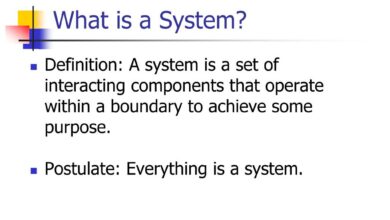
At its core, system analysis is the process of studying a system or its components to identify objectives, functions, and potential improvements. It’s a critical phase in systems development, used across industries like IT, healthcare, finance, and logistics to ensure solutions meet user needs efficiently.




Defining System Analysis in Modern Contexts
System analysis isn’t just about technology—it’s about problem-solving. According to the IEEE Computer Society, it involves examining processes, data flows, and organizational structures to recommend optimal solutions. Whether it’s upgrading a hospital’s patient management system or optimizing supply chain logistics, system analysis provides the blueprint for success.
- It focuses on understanding ‘what’ a system should do, not ‘how’ it will be built.
- It acts as a bridge between business requirements and technical implementation.
- It often precedes system design and development phases.
The Role of a System Analyst
A system analyst is like a detective and an architect rolled into one. They gather requirements, model processes, and communicate with stakeholders—from end-users to developers. Their job is to translate vague business needs into clear, actionable technical specifications.
“A good system analyst doesn’t just solve problems—they anticipate them.” — Dr. Linda Rising, Software Engineering Expert
Key responsibilities include conducting interviews, creating data flow diagrams (DFDs), and validating system feasibility. They must possess both technical know-how and soft skills like communication and empathy.
The 7-Step Framework for Effective System Analysis
Mastering system analysis requires a structured approach. Here’s a proven 7-step framework used by top organizations worldwide to ensure thorough and accurate results.
Step 1: Preliminary Investigation and Problem Identification
This initial phase involves identifying the problem or opportunity that necessitates system analysis. Is the current system too slow? Are users reporting errors? The goal is to define the scope and determine whether a new system is worth pursuing.
- Conduct stakeholder meetings to gather initial feedback.
- Perform a quick cost-benefit analysis to assess project viability.
- Document symptoms of system failure or inefficiency.
For example, a retail company noticing declining sales might suspect their inventory system isn’t syncing with online orders. A preliminary investigation would confirm if this is the root cause.
Step 2: Feasibility Study
Before diving into development, it’s crucial to evaluate whether the proposed system is feasible. This study examines four key areas:
- Technical Feasibility: Do we have the technology and expertise to build it?
- Economic Feasibility: Will the benefits outweigh the costs? Tools like ROI (Return on Investment) and NPV (Net Present Value) help here.
- Operational Feasibility: Will users accept and adopt the new system?
- Schedule Feasibility: Can it be delivered on time?
A feasibility report often becomes a decision-making document for management. If any area fails, the project may be revised or scrapped.
Step 3: Requirements Gathering and Analysis
This is where system analysis truly shines. Analysts collect detailed information about what the system must do. Techniques include:
- Interviews with end-users and managers
- Questionnaires and surveys
- Observation of current workflows
- Document analysis (existing manuals, reports)
The output is a comprehensive list of functional and non-functional requirements. Functional requirements describe actions (e.g., ‘The system must generate monthly sales reports’), while non-functional ones cover performance, security, and usability.
According to the British Computer Society, poor requirement gathering is the leading cause of project failure. That’s why this step demands precision and active listening.
Step 4: System Modeling and Documentation
Once requirements are clear, analysts create visual and textual models to represent the system. These serve as blueprints for developers and validation tools for stakeholders.
- Data Flow Diagrams (DFDs) show how data moves through the system.
- Entity-Relationship Diagrams (ERDs) map data structures and relationships.
- Use Case Diagrams illustrate interactions between users and the system.
Tools like Microsoft Visio, Lucidchart, and StarUML are commonly used. Clear documentation ensures everyone—from coders to clients—shares the same vision.
Step 5: Evaluation of Alternatives
Rarely is there only one way to solve a problem. Analysts evaluate multiple solutions based on criteria like cost, scalability, and risk.
- Build vs. Buy: Should the system be custom-developed or purchased as off-the-shelf software?
- Cloud vs. On-Premise: Which deployment model fits best?
- Technology Stack: Which programming languages or frameworks to use?
A decision matrix can help compare options objectively. For instance, a small business might choose a SaaS solution for lower upfront costs, while a large enterprise may opt for a custom system for better integration.
Step 6: System Specification and Proposal
After selecting the best alternative, the analyst prepares a formal system specification document. This includes:
- Detailed functional and technical requirements
- System architecture overview
- Hardware and software requirements
- Implementation timeline and budget estimate
This document is presented to stakeholders for approval. It’s often accompanied by prototypes or mockups to visualize the final product.
Step 7: Presentation and Approval
The final step in the system analysis phase is presenting findings and recommendations to decision-makers. A successful presentation includes:
- Clear summary of the problem and proposed solution
- Evidence from feasibility studies and requirement analysis
- Visual aids like charts, diagrams, and prototypes
- Next steps and resource needs
Approval at this stage means the project moves into system design and development. Rejection may require revisiting earlier steps.
Types of System Analysis: Beyond the Basics
Not all system analysis is the same. Depending on the context, different types are applied to address specific challenges.
Business System Analysis
This focuses on improving business processes rather than just technology. Analysts examine workflows, organizational structures, and business rules to enhance efficiency.
- Used in ERP (Enterprise Resource Planning) implementations
- Often involves BPMN (Business Process Model and Notation)
- Goal: Align IT systems with business strategy
For example, a bank might use business system analysis to streamline loan approval processes, reducing turnaround time from days to hours.
Technical System Analysis
This dives into the nuts and bolts of software and hardware systems. It’s common in software development and IT infrastructure projects.
- Analyzes system performance, scalability, and integration
- Uses UML (Unified Modeling Language) diagrams
- Focuses on APIs, databases, and network architecture
A tech company developing a mobile app would use technical system analysis to ensure the backend can handle thousands of concurrent users.
Strategic System Analysis
This long-term approach evaluates how technology supports organizational goals. It’s often conducted at the executive level.
- Assesses digital transformation readiness
- Aligns IT investments with business vision
- Used in mergers, acquisitions, or market expansions
For instance, a retail chain planning to go global would use strategic system analysis to determine if their current systems can support international operations.
Tools and Techniques Used in System Analysis
Modern system analysis relies on a suite of tools that enhance accuracy, collaboration, and visualization.
Diagramming and Modeling Tools
Visual representation is key to understanding complex systems. Popular tools include:
- Lucidchart: Web-based tool for creating DFDs, ERDs, and flowcharts. Integrates with Google Workspace and Microsoft Teams. Learn more.
- Microsoft Visio: Industry standard for technical diagrams. Offers templates for network diagrams, org charts, and more.
- StarUML: Open-source tool for UML modeling, ideal for software system analysis.
These tools help analysts communicate complex ideas simply, reducing misunderstandings between technical and non-technical teams.
Requirements Management Software
Tracking and managing requirements is critical, especially in large projects. Tools like:
- Jira: Widely used in agile environments to track user stories and tasks. Explore Jira.
- Trello: Visual Kanban-style boards for organizing requirements and feedback.
- ReqView: Specialized for documenting and tracing requirements in safety-critical systems.
These platforms ensure requirements are traceable from inception to implementation, reducing the risk of missed features.
Data Analysis and Simulation Tools
To predict system behavior, analysts use data-driven tools:
- Microsoft Excel: For basic data modeling and cost-benefit analysis.
- Tableau: For visualizing data flows and system performance metrics.
- AnyLogic: Simulation software to model system dynamics under various scenarios.
For example, a logistics company might simulate delivery routes to identify bottlenecks before implementing a new tracking system.
The Role of System Analysis in Software Development Life Cycle (SDLC)
System analysis is a cornerstone of the SDLC. It typically falls in the second phase, right after planning and before design.
Waterfall Model and System Analysis
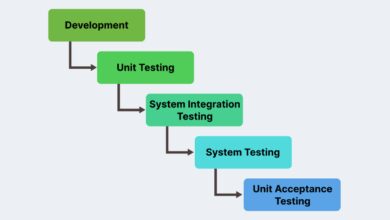
In the traditional Waterfall model, system analysis is a distinct, sequential phase. Requirements are gathered upfront and rarely changed later.
- Advantages: Clear documentation, easy to manage.
- Disadvantages: Inflexible; changes are costly.
This model works well for projects with stable requirements, like government systems or embedded software.
Agile Methodology and Iterative Analysis
In Agile, system analysis is continuous. Instead of one big phase, it happens in sprints. Analysts work closely with developers and users to refine requirements iteratively.
- User stories replace formal requirement documents.
- Feedback loops ensure alignment with user needs.
- Tools like Jira and Confluence support real-time collaboration.
For example, a fintech startup building a budgeting app might release a basic version, gather user feedback, and adjust requirements in the next sprint.
Hybrid Approaches: The Best of Both Worlds
Many organizations now use hybrid models, combining Waterfall’s structure with Agile’s flexibility. System analysis might start with a high-level feasibility study (Waterfall), then evolve through iterative sprints (Agile).
- Reduces risk while allowing adaptability.
- Common in large-scale digital transformation projects.
- Requires skilled analysts who can switch between modes.
A healthcare provider upgrading its patient portal might use this approach: define core features upfront, then refine based on clinician feedback during development.
Common Challenges in System Analysis and How to Overcome Them
Even experienced analysts face hurdles. Recognizing these challenges early can prevent project derailment.
Vague or Changing Requirements
One of the biggest issues is unclear or shifting requirements. Stakeholders often don’t know what they want until they see a prototype.
- Solution: Use iterative prototyping and frequent feedback sessions.
- Encourage stakeholders to prioritize must-have vs. nice-to-have features.
- Document all changes and their impact on scope and timeline.
“The only constant in system analysis is change.” — Anonymous Senior Analyst
Stakeholder Resistance
Users may fear job loss or increased workload with a new system. This resistance can sabotage even the best-designed solutions.
- Solution: Involve users early in the process.
- Communicate benefits clearly—e.g., reduced manual work, faster processes.
- Provide training and support during transition.
A manufacturing plant introducing automation might hold town halls to address worker concerns and demonstrate how the system enhances safety.
Data Quality and Integration Issues
Legacy systems often contain incomplete or inconsistent data. Integrating them with new systems can be a nightmare.
- Solution: Conduct a data audit before analysis begins.
- Use ETL (Extract, Transform, Load) tools to clean and migrate data.
- Design APIs with backward compatibility in mind.
For example, a bank merging two customer databases must resolve duplicate records and format mismatches before launching a unified system.
Best Practices for Successful System Analysis
Following proven best practices can dramatically increase the success rate of any system analysis project.
Engage Stakeholders Early and Often
Don’t wait until the end to show your work. Regular check-ins ensure alignment and build trust.
- Hold weekly status meetings with key stakeholders.
- Share prototypes and diagrams for feedback.
- Use collaborative tools like Miro or Google Docs for real-time input.
Document Everything
Verbal agreements fade; written records last. Comprehensive documentation is your safety net.
- Maintain a central repository for all requirements, decisions, and changes.
- Use version control for documents.
- Ensure every requirement is traceable to a source (e.g., user interview).
Validate Assumptions Continuously
It’s easy to assume you understand a process—until you see it in action. Always verify.
- Observe users performing tasks in their actual environment.
- Test assumptions with small pilots or mockups.
- Ask clarifying questions instead of making guesses.
For instance, an analyst might assume a form takes 5 minutes to fill, but observation reveals it takes 20 due to unclear instructions.
Future Trends in System Analysis
The field of system analysis is evolving rapidly, driven by technological advancements and changing business needs.
AI and Machine Learning Integration
Artificial Intelligence is transforming how analysts gather and interpret data. AI-powered tools can:
- Analyze user behavior to predict requirements.
- Automate repetitive tasks like data entry validation.
- Identify patterns in large datasets that humans might miss.
For example, an AI tool might analyze customer service logs to suggest features for a new support ticketing system.
Increased Use of Low-Code/No-Code Platforms
Platforms like OutSystems and Mendix allow analysts to build functional prototypes without writing code. This speeds up the analysis phase and improves stakeholder engagement.
- Analysts can create working models in days, not weeks.
- Reduces dependency on developers during early stages.
- Encourages experimentation and rapid iteration.
A marketing team could use a no-code tool to prototype a lead-tracking system before committing to full development.
Greater Emphasis on Cybersecurity in Analysis
With rising cyber threats, security can no longer be an afterthought. Modern system analysis includes threat modeling and risk assessment from day one.
- Identify potential vulnerabilities in data flows.
- Ensure compliance with regulations like GDPR or HIPAA.
- Integrate security requirements into the system specification.
A financial institution developing a mobile banking app must analyze how data is encrypted, stored, and accessed—long before coding begins.
What is the main goal of system analysis?
The main goal of system analysis is to understand the requirements of a system, identify problems or opportunities for improvement, and recommend effective solutions that align with business objectives and user needs.
What are the key skills of a system analyst?
Key skills include analytical thinking, communication, problem-solving, technical knowledge (e.g., databases, networks), modeling (e.g., UML, DFD), and project management. Soft skills like empathy and active listening are equally important.
How does system analysis differ from system design?
System analysis focuses on ‘what’ the system should do by gathering and analyzing requirements. System design focuses on ‘how’ it will be built, including architecture, interfaces, and technology choices.
Can system analysis be applied outside of IT?
Yes, system analysis is widely used in non-IT fields like business process optimization, healthcare management, logistics, and public administration to improve efficiency and decision-making.
Is system analysis still relevant in Agile development?
Absolutely. While the approach is more iterative, system analysis remains essential in Agile. It’s embedded in backlog refinement, user story creation, and continuous feedback loops to ensure the product meets user needs.
System analysis is far more than a technical exercise—it’s a strategic discipline that drives innovation, efficiency, and user satisfaction. From identifying problems to recommending solutions, it plays a pivotal role in the success of any system development project. By following a structured approach, leveraging the right tools, and staying ahead of trends like AI and cybersecurity, analysts can deliver solutions that are not only functional but future-ready. Whether you’re in IT, business, or healthcare, mastering system analysis empowers you to turn complex challenges into opportunities for growth.
Further Reading: