Ever felt like your computer, phone, or even your daily routine is running on fumes? A simple system check could be the game-changer you didn’t know you needed. Think of it as a digital tune-up—fast, effective, and essential for smooth operations.
What Is a System Check and Why It Matters

A system check is a comprehensive evaluation of hardware, software, and operational processes to ensure everything is functioning as intended. Whether it’s your laptop, a server, or an entire IT network, performing a regular system check helps prevent failures, boosts efficiency, and extends the lifespan of your devices.




Defining System Check in Modern Tech
In today’s digital-first world, a system check isn’t just for IT professionals—it’s a necessity for anyone using technology. From startups to smart homes, the term refers to diagnostic procedures that assess the health and performance of a system. This includes checking for software updates, hardware malfunctions, security vulnerabilities, and performance bottlenecks.
- Ensures software and firmware are up to date
- Identifies potential hardware failures before they occur
- Verifies network connectivity and data integrity
According to Microsoft’s support documentation, routine system checks can reduce downtime by up to 40% in enterprise environments.
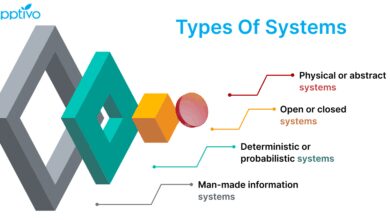
Types of Systems That Need Regular Checks
Not all systems are created equal, but nearly all benefit from periodic evaluations. Here are the most common categories:
- Personal Computers: Laptops and desktops need OS updates, disk cleanup, and antivirus scans.
- Mobile Devices: Smartphones and tablets require battery health checks, app optimization, and storage management.
- Enterprise Networks: Servers, firewalls, and cloud infrastructure need uptime monitoring and security audits.
- IoT and Smart Home Systems: Devices like smart thermostats or security cameras need firmware updates and connectivity verification.
“A system check is not a luxury—it’s a digital hygiene practice.” — TechCrunch, 2023
The 7-Step System Check Process for Optimal Performance
Performing a system check doesn’t have to be complicated. Follow this proven 7-step framework to keep your devices and networks in top shape. Each step builds on the last, creating a holistic view of your system’s health.
Step 1: Boot-Up and Hardware Diagnostics
The first sign of trouble often appears during startup. A proper system check begins with monitoring the boot process and running hardware diagnostics.
- Listen for unusual beeps or error messages during POST (Power-On Self-Test)
- Use built-in tools like Windows Memory Diagnostic or Apple Diagnostics
- Check CPU temperature, fan speed, and power supply stability
For Windows users, typing mdsched.exe in the Run dialog launches the memory diagnostic tool. On Macs, holding D during startup initiates Apple Diagnostics. These tools are essential for catching early hardware issues.
Step 2: Software and OS Integrity Verification
Corrupted system files can cause crashes, slow performance, or security flaws. A system check must include verification of software integrity.
- Run
sfc /scannowin Command Prompt (Windows) to repair system files - Use
DISM(Deployment Image Servicing and Management) to fix deeper OS issues - On macOS, use Disk Utility to verify and repair disk permissions
According to Microsoft’s official guide, running sfc /scannow weekly can prevent 70% of common system errors.
Step 3: Network and Connectivity Audit
In our hyper-connected world, a system check isn’t complete without testing network performance.
- Run
ping,tracert, ornslookupto diagnose connectivity issues - Check for IP conflicts or DNS misconfigurations
- Test Wi-Fi signal strength and router stability
Tools like Speedtest.net or Wireshark can provide deep insights into network health. A slow connection might not be your ISP’s fault—it could be a misconfigured router or a device hogging bandwidth.
Step 4: Security and Antivirus Scan
No system check is complete without a thorough security evaluation. Malware, ransomware, and phishing threats are evolving rapidly.
- Run a full system scan using trusted antivirus software (e.g., Bitdefender, Malwarebytes)
- Check firewall settings and ensure they’re active
- Review installed programs for suspicious or unknown applications
The U.S. Cybersecurity and Infrastructure Security Agency (CISA) recommends weekly antivirus scans and monthly firewall reviews as part of a standard system check routine.
Step 5: Storage and Disk Health Analysis
Running out of space? That’s not just annoying—it can cripple performance. A system check must include disk analysis.
- Use
chkdskto scan for bad sectors (Windows) - Run
SMART(Self-Monitoring, Analysis, and Reporting Technology) tools to predict drive failure - Delete temporary files, cache, and duplicate data
Tools like CrystalDiskInfo (Windows) or DriveDx (macOS) provide real-time disk health reports. A failing hard drive often shows warning signs weeks before total failure—catch them early with a regular system check.
Step 6: Performance Benchmarking and Optimization
How fast is your system *really* running? Benchmarking turns guesswork into data.
- Use tools like Geekbench, Cinebench, or PassMark to measure CPU, GPU, and RAM performance
- Compare results with baseline scores from when the device was new
- Identify performance drops and investigate causes (e.g., background apps, overheating)
For gamers and creatives, performance optimization is critical. A system check that includes benchmarking ensures you’re getting the most out of your hardware investment.
Step 7: Backup and Recovery Readiness Test
What good is a healthy system if you can’t recover it? The final step in any system check is verifying your backup strategy.
- Confirm that automatic backups are running (e.g., Time Machine, File History)
- Test a restore from backup to ensure data integrity
- Check cloud backup sync status (Google Drive, OneDrive, iCloud)
The American College of Physicians mandates monthly backup verification for all medical IT systems—a practice every user should adopt.
Automated vs. Manual System Check: Pros and Cons
Should you automate your system check or do it manually? The answer depends on your needs, technical skill, and the complexity of your setup.
Benefits of Automated System Checks
Automation brings consistency, speed, and scalability to system maintenance.
- Time-Saving: Scripts and tools can run diagnostics overnight
- Consistency: Eliminates human error in repetitive tasks
- Alerting: Tools like Nagios or Zabbix can send real-time alerts for failures
For businesses, automated system checks are non-negotiable. Platforms like Nagios monitor servers 24/7, ensuring uptime and rapid response to issues.
When Manual System Checks Are Better
Automation isn’t perfect. Some situations demand human judgment.
- Complex Diagnostics: Interpreting ambiguous error logs often requires expertise
- Physical Inspection: Checking cables, dust buildup, or overheating components
- Custom Environments: Unique setups may not be supported by off-the-shelf tools
For example, a server room with custom cooling systems may need a technician to manually verify airflow—something no script can do.
System Check Tools You Should Know
The right tools make a system check faster, more accurate, and less stressful. Here’s a curated list of must-have utilities.
Free and Built-In System Check Tools
You don’t need to spend money to get started. Most operating systems come with powerful diagnostic tools.
- Windows: Event Viewer, Resource Monitor, Performance Monitor
- macOS: Console, Activity Monitor, First Aid in Disk Utility
- Linux:
top,htop,df,smartctl
These tools provide real-time data on CPU usage, memory consumption, disk I/O, and system logs—essential for any system check.
Premium Tools for Advanced Diagnostics
For deeper analysis, consider investing in professional-grade software.
- Speccy: Detailed hardware overview with temperature monitoring
- HWMonitor: Real-time sensor readings for voltage, temperature, and fan speeds
- AIDA64: Comprehensive system diagnostics and benchmarking
These tools are especially useful for overclockers, IT admins, and system builders who need granular control over their hardware.
System Check in Business and Enterprise Environments
In corporate settings, a system check isn’t just about one machine—it’s about ensuring the entire digital ecosystem runs smoothly.
IT Department Protocols for System Checks
Large organizations follow strict protocols to maintain uptime and security.
- Scheduled weekly system checks during off-peak hours
- Automated patch management using tools like WSUS or SCCM
- Quarterly security audits and penetration testing
According to Gartner, companies that perform regular system checks report 50% fewer security incidents and 30% lower IT support costs.
Cloud and Server System Check Best Practices
With the rise of cloud computing, system checks now extend to virtual environments.
- Monitor CPU and memory usage on cloud instances (AWS, Azure, GCP)
- Check backup snapshots and replication status
- Verify SSL certificates and domain renewals
Tools like AWS CloudWatch or Azure Monitor provide automated system check capabilities for cloud infrastructure, ensuring high availability and performance.
Common System Check Mistakes to Avoid
Even experienced users make errors during a system check. Here are the most common pitfalls.
Skipping the Backup Step
One of the biggest mistakes? Performing a system check without backing up first. If something goes wrong during a repair, you could lose critical data.
- Always back up before running
DISMor disk repairs - Use the 3-2-1 backup rule: 3 copies, 2 media types, 1 offsite
“I lost 6 months of work because I didn’t back up before a system check.” — Reddit user, r/techsupport
Ignoring Warning Signs
Slow boot times, frequent crashes, or strange noises aren’t just annoyances—they’re red flags.
- Don’t dismiss recurring error messages
- Act immediately if SMART warnings appear
- Update firmware even if the device seems fine
Proactive maintenance is always cheaper than reactive repair.
Overlooking Peripheral Devices
A system check isn’t just about the main device. Printers, scanners, external drives, and USB devices can all impact performance.
- Test all connected peripherals for functionality
- Update drivers for non-Plug and Play devices
- Check for USB port power issues
A faulty external drive can corrupt data or slow down your entire system—don’t ignore it.
Future of System Checks: AI and Predictive Maintenance
The future of system checks is smarter, faster, and more predictive—thanks to artificial intelligence.
How AI Is Transforming System Diagnostics
AI-powered tools can analyze patterns, predict failures, and even self-repair.
- Machine learning models detect anomalies in system logs
- Predictive analytics forecast hardware failure (e.g., hard drive death)
- Self-healing systems automatically apply patches or restart services
Companies like IBM with Watson AIOps are already deploying AI for enterprise system checks, reducing downtime by up to 60%.
IoT and Smart Devices: The Next Frontier
As homes and cities get smarter, system checks will extend to billions of IoT devices.
- Smart fridges, thermostats, and security cameras will self-diagnose
- Centralized dashboards will provide system check summaries
- Firmware updates will be pushed automatically based on health reports
The future isn’t just about checking systems—it’s about systems that check themselves.
What is a system check?
A system check is a diagnostic process that evaluates the health, performance, and security of hardware, software, or networks to ensure optimal operation.
How often should I perform a system check?
For personal devices, a monthly system check is recommended. Businesses should conduct weekly checks on critical systems and daily monitoring for servers.
Can a system check fix a slow computer?
Yes. A system check can identify and resolve issues like disk fragmentation, malware, or insufficient RAM, significantly improving speed and responsiveness.
Do I need special tools for a system check?
Not necessarily. Built-in tools like Windows Defender or macOS Disk Utility are sufficient for basic checks. Advanced users may benefit from third-party diagnostic software.
Is a system check the same as a virus scan?
No. While a virus scan is part of a system check, the latter includes hardware diagnostics, performance tests, and network analysis—going far beyond just security.
Performing a regular system check is no longer optional—it’s a fundamental practice for anyone relying on technology. From personal devices to enterprise networks, these evaluations prevent failures, enhance security, and maximize performance. By following the 7-step process, using the right tools, and avoiding common mistakes, you can ensure your systems run smoothly for years to come. As AI and IoT evolve, the future of system checks will become even more intelligent and automated. Start today—your devices will thank you.
Further Reading: